Introduction & The Importance of Soil Aeration in Horticulture
Healthy, vibrant plant growth depends heavily on soil quality and proper root zone aeration. Many horticulturists and plant enthusiasts struggle with heavy soils, poor drainage, and root suffocation—issues that trigger stunted growth, yellowing leaves, and eventual plant decay.
Among various soil amendments, expanded perlite produced at Esfahan Perlite Complex serves as a natural, lightweight, and effective solution in horticultural practices. With its porous, white granules, perlite aerates dense media, creating optimal physical conditions for vigorous root expansion.
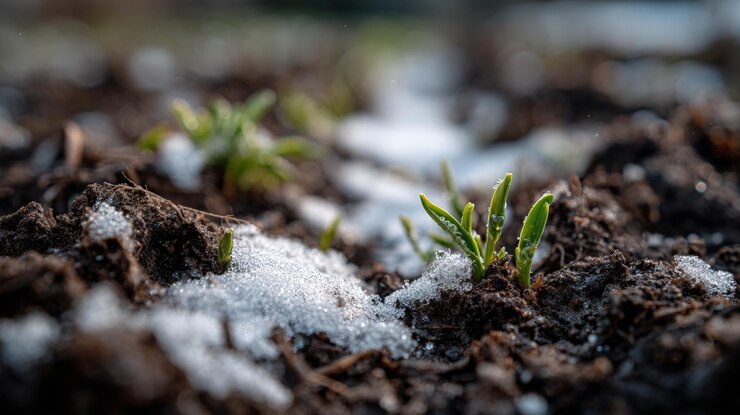
Utilizing expanded perlite for potting soil weight reduction and creating a breathable planting substrate
What is Perlite and Why is it Essential in Horticulture?
Perlite is a lightweight volcanic glass that expands dramatically under extreme thermal processing, turning into white, sponge-like granules with microscopic porous structures. When raw perlite ore is exposed to temperatures around 850°C to 900°C, trapped water molecules vaporize and pop the material into multiple times its original volume. The result is an ultra-lightweight medium with exceptional moisture management and drainage capabilities.
This cellular matrix makes perlite an ideal environment for soil oxygenation and root development. Incorporating horticultural perlite into soil mixtures improves airflow between soil particles, allowing roots to breathe freely. Furthermore, perlite helps retain beneficial moisture around root networks while preventing waterlogging or severe drought stress.
Crude Perlite vs. Expanded Perlite
Perlite exists in two primary states: crude perlite, which is the raw volcanic mineral mined directly from deposits and carries no direct agricultural utility, and expanded perlite, which undergoes thermal processing to become ready for horticulture, greenhouses, and hydroponic setups. Materials processed at Esfahan Perlite Complex are lightweight, sterile, and environmentally safe, establishing them among the finest additives for substrate enhancement.
Role of Perlite in Improving Plant Media Substrates
Adding perlite to soil blends is one of the simplest, most effective techniques for lightening potting mixes and improving overall crop vigor. Perlite's porous architecture boosts soil aeration and guards against root compaction. In tightly packed soils, air and water movement become restricted, causing root suffocation; adding perlite maintains structural channels for oxygen turnover and uninhibited root spreading.
Another major feature of perlite is its ability to hold moisture while delivering high drainage efficiency. It retains capillary water within its pores and releases it gradually, while allowing excess gravitational water to drain away rapidly to prevent root rot. This dual mechanism makes perlite a core component of potting soils for houseplants, greenhouse crops, and soilless hydroponic systems.
Because perlite integrates smoothly across diverse soil types—from heavy clays to coarse sands—it adapts to virtually any growing environment. Consequently, incorporating perlite into potting media accelerates root growth, maintains plant health, and cuts down irrigation frequency.
Recommended Perlite Mix Ratios for Growing Media
| Plant Type / Growing Medium |
Perlite Ratio (%) |
Complementary Ingredients |
Primary Purpose |
| Standard Houseplants |
20% to 30% |
Peat moss + leaf mold + garden soil |
Improve drainage & prevent soil compaction |
| Cacti & Succulents |
40% to 50% |
Fine pumice + coarse sand + peat moss |
Rapid excess water runoff & root aeration |
| Cuttings & Propagation |
50% to 100% |
Peat moss or cocopeat powder |
Sterile substrate for rapid root initiation |
| Hydroponic Cultivation |
70% to 100% |
Cocopeat or pure perlite medium |
Nutrient retention & physical root anchorage |
Applications Across Horticultural Sectors
Due to its lightweight, sterile, and porous qualities, perlite occupies a prominent position in plant cultivation. From ornamental floriculture to commercial crops and high-tech hydroponics, expanded perlite serves multiple vital functions.
1. Floriculture & Ornamental Houseplants
Perlite acts as a fundamental filler in potting mixes. Blending it with peat moss or garden soil increases aeration and moisture distribution, preventing soil compaction and encouraging stronger, healthier root systems in potted indoor plants.
2. Vegetable & Edible Crop Production
Perlite regulates moisture and oxygen levels surrounding the root zone. This balance ensures crops develop robust root structures and uniform growth, particularly for sensitive crops like basil, tomatoes, or lettuce.
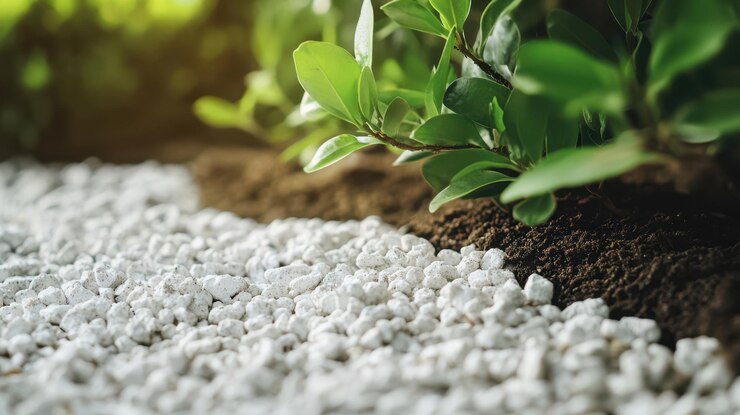
Expanded perlite used as a primary sterile substrate in soilless hydroponic cultivation
3. Hydroponics (Soilless Culture)
Perlite is among the most popular substrates for hydroponic farming. Characterized by low bulk density and balanced water-holding capacity, it can be used standalone or blended with media like cocopeat to protect roots from moisture stress.
4. Cutting Propagation & Nursery Beds
Perlite provides a lightweight, pathogen-free rooting environment. These properties accelerate stem cutting callusing and root formation while minimizing fungal damping-off risks. Overall, whether utilized in potting mixes, hydroponic slabs, or propagation beds, perlite delivers versatile horticultural efficiency.
Directions for Using Perlite in Horticulture
To maximize perlite's benefits, application methods should match specific plant requirements. The most common technique involves blending perlite into standard soil mixes. Depending on crop needs and soil texture, mixing 30% to 50% perlite with garden soil, peat moss, or cocopeat yields a lightweight, breathable, and well-drained substrate—essential for container plants and greenhouse culture.
For plant propagation or seed germination, perlite can be used directly as a growing medium. Pure perlite or a 1:1 mix with peat moss provides a sterile, lightweight environment that prevents cutting decay and encourages rapid root expansion. For seeds, perlite holds moisture without suffocating delicate sprouts.
In potted displays, commercial greenhouses, and hydroponic setups, perlite performs distinct roles. In pots, it functions as a soil conditioner; in hydroponics, standalone or blended perlite replaces soil entirely, keeping roots in a stable, hydrated, and aerated environment.
Irrigation & Nutrient Guidelines in Perlite Soil Mixes
Because perlite retains water inside its capillary pores while shedding free excess water quickly, irrigation routines should be frequent but moderate in volume. Furthermore, because perlite is chemically inert and contains no plant nutrients, crops require regular fertilization with balanced water-soluble nutrient solutions. Refreshing potting mixes every 6 to 12 months helps maintain optimal physical structure.
Common Mistakes to Avoid
While perlite offers exceptional advantages, improper usage can lead to sub-optimal plant performance. One frequent mistake is over-applying perlite in soil mixtures. Exceeding a 50% ratio makes the media excessively loose, causing moisture to evaporate too quickly and leading to root dehydration in hot climates or small containers.
Another common misstep is pairing perlite with poor or nutrient-devoid media without adding organic material. Because perlite provides zero plant nutrients, using it alongside coarse sand without organic matter results in severe plant nutrient deficiencies.
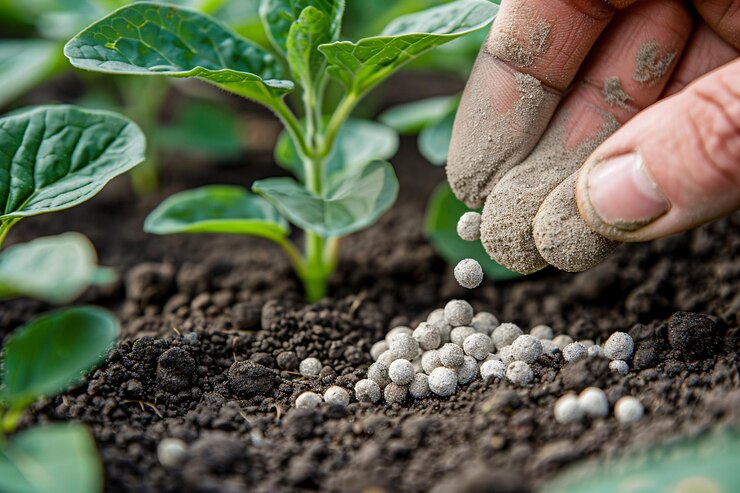
Maintaining correct perlite-to-organic ratios for balanced moisture retention and soil stability
Neglecting regular fertilizer applications in perlite-rich mixes is another frequent oversight. Since perlite does not store or release chemical nutrients, growers must supplement mixes with peat moss, compost, or soluble fertilizers.
Ultimately, perlite performs best when blended in balanced proportions with organic, nutrient-rich components, ensuring healthy and sustainable plant growth.
Summary & Final Recommendations
Expanded perlite stands as an invaluable mineral in modern horticulture, combining low weight, high porosity, and moisture retention to create an ideal growing environment. Beyond loosening compacted soils, it improves root oxygenation and promotes uniform water distribution.
Whether used in home houseplants, commercial greenhouses, or hydroponic operations, perlite plays a key role in supporting plant health and yields. Maintaining a balanced ratio with organic soils remains essential for long-term success.
To enhance plant growth with eco-friendly media, incorporating standardized grades from Esfahan Perlite Company into your potting mixes offers a reliable, professional solution.
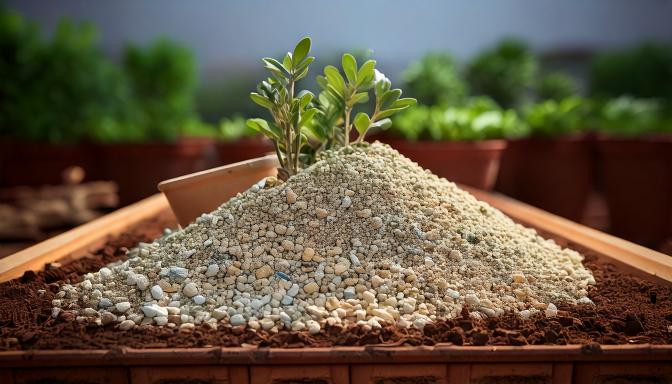
Hello and good day. Very comprehensive and practical article. I used a 30% Esfahan Perlite / 70% cocopeat mix for my vegetable greenhouse and saw excellent root system expansion on tomato crops. Thank you for the insightful article.
Greetings Mr. Mahdavi. Thank you for sharing your experience. Indeed, 3-5mm perlite grade offers maximum efficacy for root zone aeration in greenhouse crops. Glad to hear you achieved great results. Best regards, Factory Editorial Team.
Is it acceptable to mix a higher percentage of perlite for cacti? I am always concerned about root rot in succulent species.
Hello Ms. Bahrami. Yes, for cacti and succulents you can comfortably mix 40% to 50% perlite into your soil mix to ensure rapid drainage and prevent water stagnation and root rot. Best regards, Factory Editorial Team.