Introduction & Perlite's Role in Modern Building
Expanded perlite has earned a dominant position across the building and construction sectors as a lightweight, versatile mineral ingredient. Characterized by low bulk density and a closed-cell physical matrix, it is heavily integrated into lightweight concrete formulations, insulating plasters, and protective renders, helping structures achieve lighter self-weight alongside enhanced durability.
Additionally, perlite's exceptional thermal and acoustic insulation parameters dramatically lower operational HVAC costs and foster quiet, comfortable living spaces. High fire resistance and long-term chemical stability further position expanded perlite as an intelligent choice for engineered building projects. Consequently, modern structural engineers and contractors routinely rely on perlite to comply with green building standards, structural safety regulations, and cost-efficiency benchmarks.
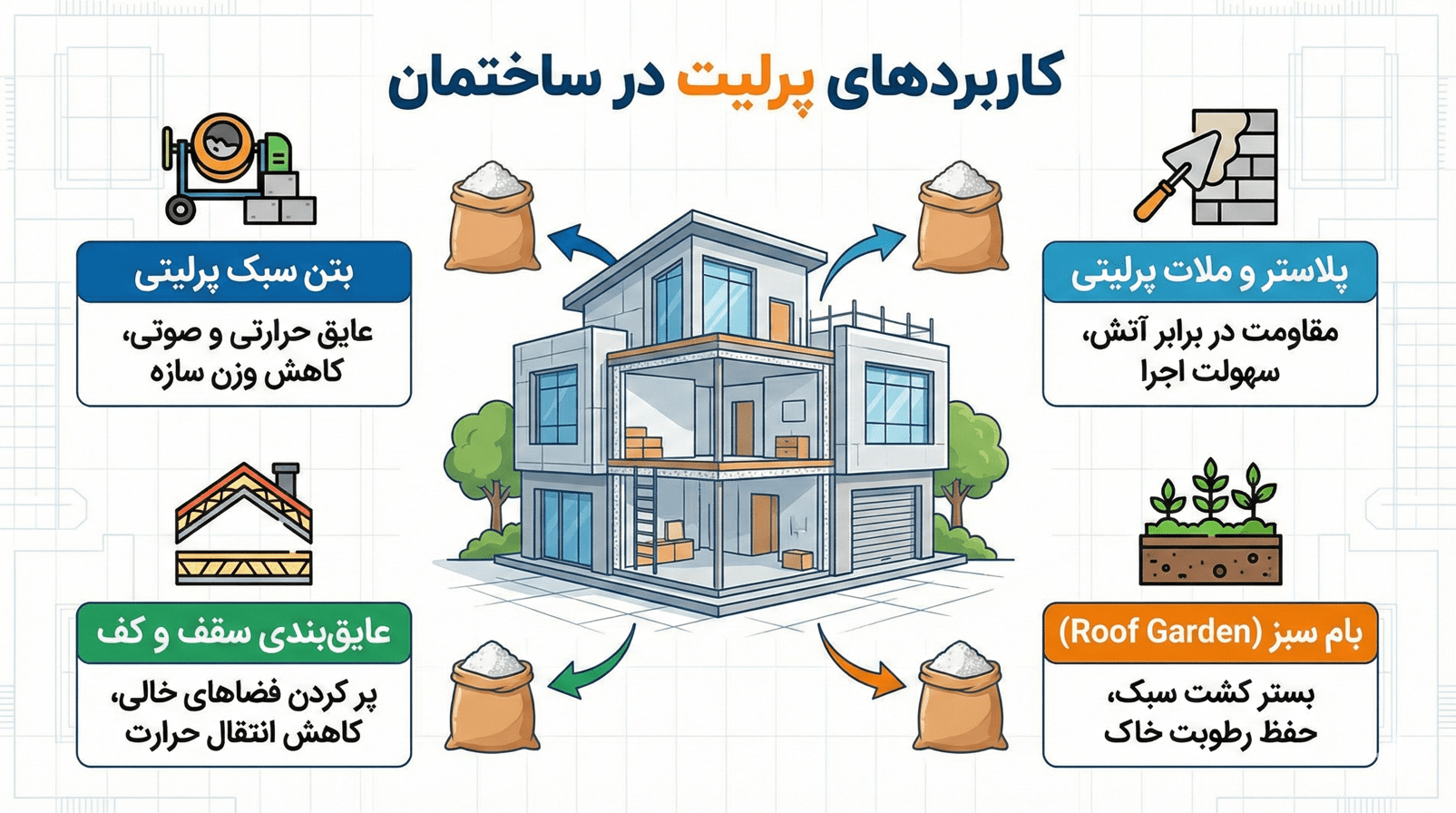
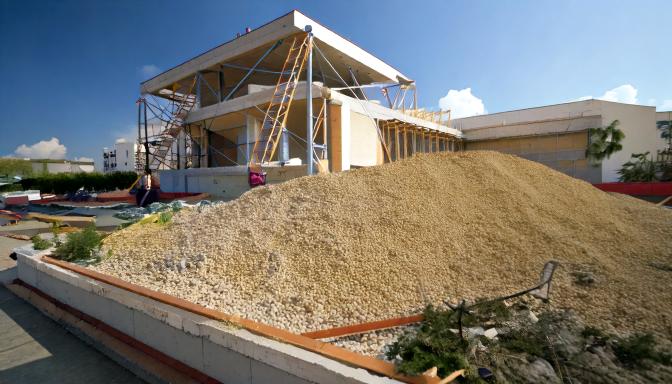
Expanded perlite utilization for dead-load reduction and insulation in modern building projects
Applications of Perlite Across Building Elements
| Building Element |
Perlite Grade |
Primary Application |
| Roof & Sub-floors |
Medium Granular |
Sloped screeding as a lightweight replacement for pumice |
| Walls & Partitions |
Fine to Medium |
Cavity loose-fill + thermal and acoustic insulation |
| Plastering |
0–1 mm Fine |
Interior finish coating and plaster weight reduction |
| Masonry Mortars |
Medium Granular |
Sand replacement for increased thermal barrier |
| Lightweight Concrete |
Expanded Granular |
Blocks, wall panels, and precast non-structural members |
| Fireproof Coatings |
Micronized Powder |
Enhanced thermal resistance and passive fire protection |
Technical Comparison: Perlite vs. Alternative Aggregates
Among lightweight construction aggregates, perlite is frequently compared with materials such as Leca (expanded clay), natural pumice, and vermiculite. Leca is widely used for block manufacturing and weight reduction, yet perlite provides significantly lower thermal conductivity. Natural pumice is mined directly and provides lightweight bulk, but due to higher density, its thermal insulation efficiency falls short of perlite. Vermiculite shares structural similarities with perlite and offers high temperature stability, but comes at a considerably higher cost. Overall, expanded perlite strikes an ideal balance between ultra-low density, competitive pricing, and thermal efficiency.
Perlite is supplied in various particle sizes or powder formats across structural applications. It effectively replaces heavy natural pumice in roof sloped screeds or fills hollow clay blocks and masonry units to instantly boost R-values and sound attenuation. Fine grades (0–1 mm) blended with gypsum produce smooth, crack-resistant interior plasters, while coarse grades substituted for sand in cementitious mixes generate high-efficiency insulating renders. Combined with Portland cement and lightweight additives, perlite yields lightweight concrete for non-structural partitions that streamline handling while reducing cumulative building load.
| Parameter |
Perlite |
Leca |
Natural Pumice |
Vermiculite |
| Density / Weight |
Ultra-Lightweight |
Lightweight |
Lightweight |
Lightweight |
| Thermal Insulation |
Superior |
Moderate |
Moderate to Low |
High |
| Acoustic Insulation |
Good |
Moderate |
Low |
Good |
| Refractory / Fire Limits |
High (~1100°C) |
Moderate |
Moderate |
Very High |
| Price Point |
Economical |
Moderate |
Economical |
High |
| Origin |
Expanded Volcanic Glass |
Expanded Clay |
Natural Volcanic Rock |
Expanded Mica Mineral |
| Primary Use |
Insulation, Concrete, Mortar, Plaster |
Masonry Blocks |
Screeding, Blocks |
Thermal/Sound Insulation |
Thermal & Acoustic Insulation
Perlite in Thermal Building Insulation
Thanks to its cell-like structure trapping thousands of micro air pockets, expanded perlite acts as an outstanding thermal insulator. Incorporated into wall cavities, floor bases, or roofs, perlite forms an airtight thermal envelope that slows heat transfer, keeping interiors warmer during winter and cooler in summer. This enhanced thermal comfort translates to substantial reductions in heating and cooling energy usage. Furthermore, perlite's moisture resistance and non-combustibility establish it as a long-lasting, safe insulation solution.
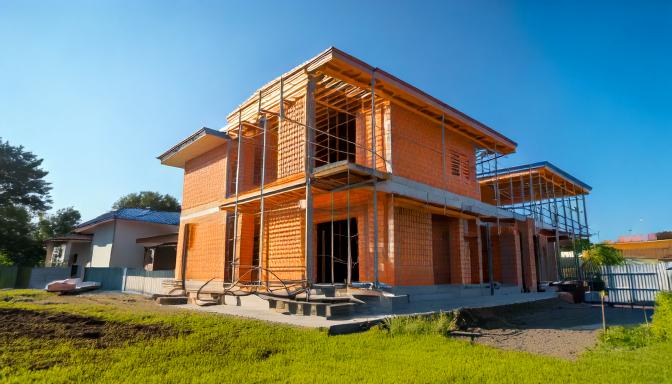
Seamless thermal and sound insulating barrier formed by expanded perlite granules
Acoustic Insulation & Noise Suppression
The cellular glass texture of perlite enables excellent sound absorption and wave dampening. When integrated into party walls, floor screeds, or acoustic ceiling plasters, it minimizes sound transmission between adjoining units, creating quieter environments for residential, hotel, hospital, and commercial facilities.
Employing perlite in construction directly supports sustainable energy goals. By restricting heat exchange between indoor and outdoor environments, it lowers operating loads on HVAC systems, extending mechanical equipment lifespan while drastically reducing utility bills and greenhouse gas emissions.
Lightweight Concrete & Structural Weight Reduction
Perlite Lightweight Concrete Production
Expanded perlite is an exceptional aggregate for formulating lightweight insulating concrete. When added to cementitious mixes, it lowers unit weight while elevating thermal resistance and acoustic dampening. Perlite lightweight concrete reduces total dead weight on foundations and columns, improving seismic resistance during earthquakes while lowering structural steel requirements.
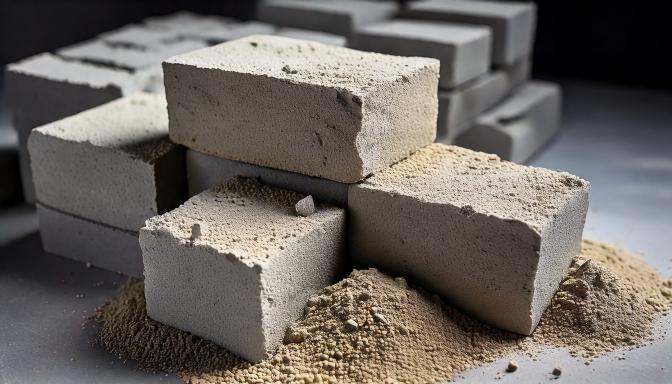
Lightweight perlite concrete manufacturing for non-structural precast elements and seismic safety
Perlite Concrete vs. Standard Concrete
Perlite concrete weighs significantly less than traditional gravel-and-sand concrete due to its low-density expanded glass aggregate. This weight advantage speeds up precast installation and cuts freight expenses. While standard heavy concrete exhibits weak thermal barrier properties, perlite concrete functions naturally as an insulator. Although compressive strength is lower than structural heavy concrete, perlite mixes excel in non-load-bearing walls, floor fills, partition panels, and roof decks.
Lightening structural mass is a major objective in earthquake-prone regions. Because seismic forces act proportionally to building mass, lighter structures absorb significantly less lateral force during seismic events, drastically mitigating structural failure risks.
Plasters, Renders & Fireproofing
Lightweight perlite renders and mortars provide smooth, workable applications that do not sag or slump. Substituting perlite for conventional heavy sand reduces coat weight while conferring thermal and acoustic properties to interior and exterior wall finishes.
Perlite Gypsum Plasters
Blending fine perlite granules with gypsum produces lightweight interior plasters that offer excellent adhesion and thermal efficiency. Perlite plasters exhibit higher resistance to cracking under thermal stress compared to standard gypsum finishings, ensuring durable wall surfaces over extended timeframes.
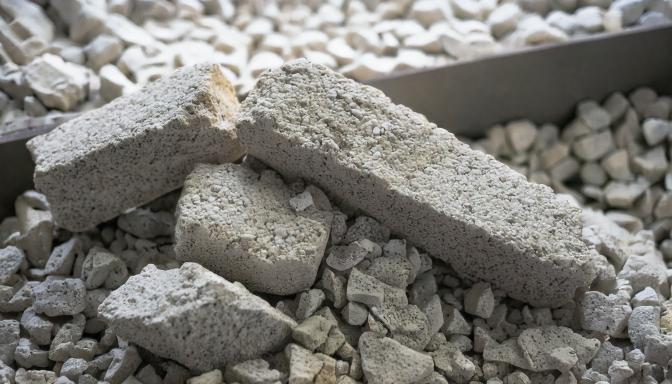
Application of lightweight perlite plaster render for crack resistance and insulation
Heat-Resistant Coatings & Fireproofing
Perlite powder is widely blended into specialty fireproofing coatings and heat-resistant spray mortars. Due to its stable inorganic nature, it resists temperatures up to 1100°C without melting, spalling, or giving off toxic fumes. These passive fire protective renders safeguard structural steel columns, industrial boiler rooms, and fire-rated wall assemblies, fulfilling rigorous international safety codes.
Durability & Material Longevity
Expanded perlite is inert, rot-proof, vermin-proof, and completely resistant to biological degradation from mold or bacteria. Perlite-based building materials retain their thermal performance and structural integrity across decades of service, substantially reducing building maintenance costs.
Summary & Conclusion
Expanded perlite stands as a premier lightweight, fireproof, and multi-functional mineral aggregate driving advancements in modern construction. By lowering structural weight, enhancing energy efficiency, providing sound attenuation, and resisting extreme temperatures, perlite replaces traditional heavy aggregates across a wide spectrum of applications.
Whether utilized in insulating plasters, lightweight masonry blocks, or passive fire barrier coats, products engineered at Esfahan Perlite Company deliver certified technical reliability, sustainable performance, and compelling economic benefits for green architectural design.
Very informative article! The tables made it simple to understand applications. Using expanded perlite for lightweight concrete and dead load reduction is critical in earthquake zones.
Hello Mohammad Hossein. Thank you for your feedback! You are spot on—expanded perlite plays a vital role in seismic weight reduction and safety enhancement. Best regards, Factory Editorial Team.
I always thought perlite was only used for plaster and mortars, but this article broadened my perspective on precast panels and blocks. It seems very effective for green building projects!
Hello Amir Hossein. Thank you for your comments. Expanded perlite is indeed a multi-purpose aggregate ideal for green, sustainable construction practices.
Very practical content. I was looking into soundproofing solutions inside cavity walls, and perlite acoustic renders look like a great match.
Greetings Sara. Its microscopic cellular structure gives expanded perlite remarkable sound absorption capabilities. Thank you for sharing your thoughts!